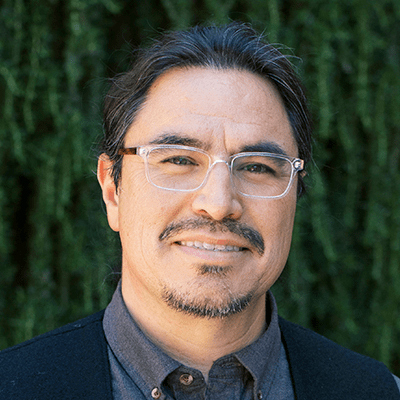
José R. Dinneny, Professor of Biology, Stanford University and Investigator, Howard Hughes Medical Institute
dinneny@stanford.edu
José received his BS from UC Berkeley in Plant Biology and Genetics in the Department of Plant and Microbial Biology and PhD from UC San Diego working with Detlef Weigel at the Salk Institute for Biological Science and Martin Yanofsky in the Division of Biology, UC San Diego. His work focused on the cloning and characterization of JAGGED and NUBBIN in flower and fruit development. He then went to Duke University to do his post-doctoral studies with Philip Benfey. There he utilized Fluorescence Activated Cell Sorting (FACS) to develop the first tissue-specific map of transcriptional changes occurring during abiotic stress. José established his independent lab at the Temasek Lifesciences Laboratory (TLL) in Singapore with a joint appointment at the National University of Singapore, Department of Biological Sciences where he was an inaugural fellow of the National Research Foundation, Singapore. José moved his lab in 2011 to the Carnegie Institution for Science, Department of Plant Biology. In 2018 José joined the faculty at Stanford University in the Biology Department and is member of the Integrative/Organismal Biology subgroup.
José is a Chan Zuckerberg Biohub Investigator alumni, an American Association for the Advancement of Science (AAAS) Fellow, a Woods Institute Leader in Interdisciplinary Collaborations (LiNC) fellow, an HHMI-Simons Faculty Scholar, a National Research Foundation of Singapore fellow, an NIH Ruth Kirschstein post-doctoral fellow and an HHMI predoctoral fellow. He was recognized in 2017 by Science News magazine’s 2017 SN 10: Scientists to Watch list, and in 2022 received the Charles Albert Shull award from the American Society of Plant Biologists. In 2024 he became an Investigator of the Howard Hughes Medical Institute.
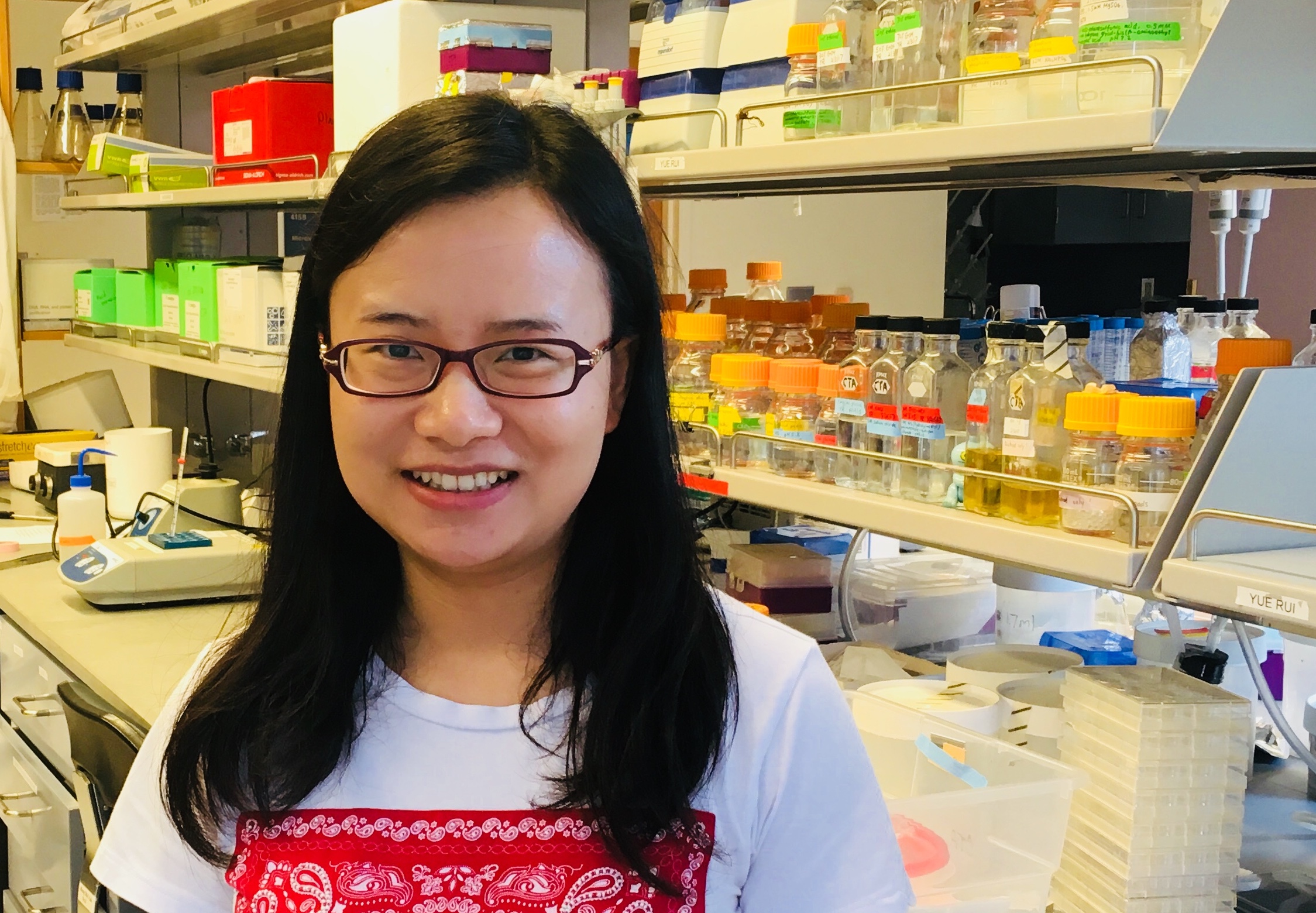
Yue Rui, post-doc, LSRF Fellow
Yue heralds from Charlie Anderson’s group at PSU where she studied a number of roles for the cell wall in plant and stomatal development. Her work is now focused on determining which components of the wall are important in the osmotic stress sensing. Legend has it that when she is not on the confocal she might be found in another darkened room singing Karaoke.
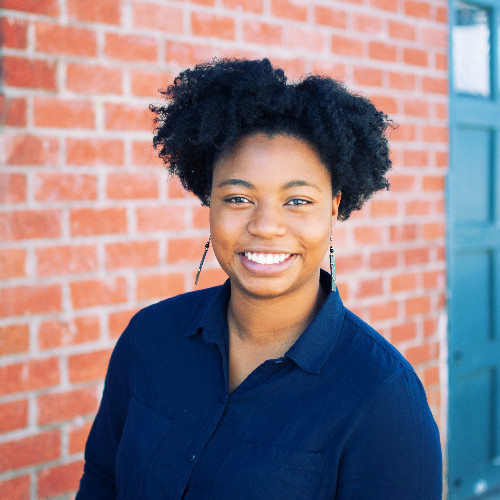
Carin Ragland, Stanford Biology PhD student
“Where’s the beef?” Carin can tell you it’s not in the Beyond Meat burger, which uses advanced food science to create a more sustainable future through reducing meat consumption. Carin worked there to develop meat-substitutes with defined physical properties that end up being Tasty. She’s now focused on different strategies for improving the association of roots with Bacillus thuringiensis (Bt), the most widely used biocontrol agent in agriculture. Understanding how roots associate with Bt may improve the efficacy of root-microbial inoculum.

Kevin Shih, Stanford Biochemistry PhD Student
A picture is worth a thousand words, but to Kevin, it’s much more interesting to take a thousand pictures. Kevin is an avid photographer but his interest in the lives of other organisms goes beyond that and he is now focused on studying the underground lives of root-associated microbes using advanced engineering approaches and confocal microscopy. Stay tuned for his next cover-worthy picture.
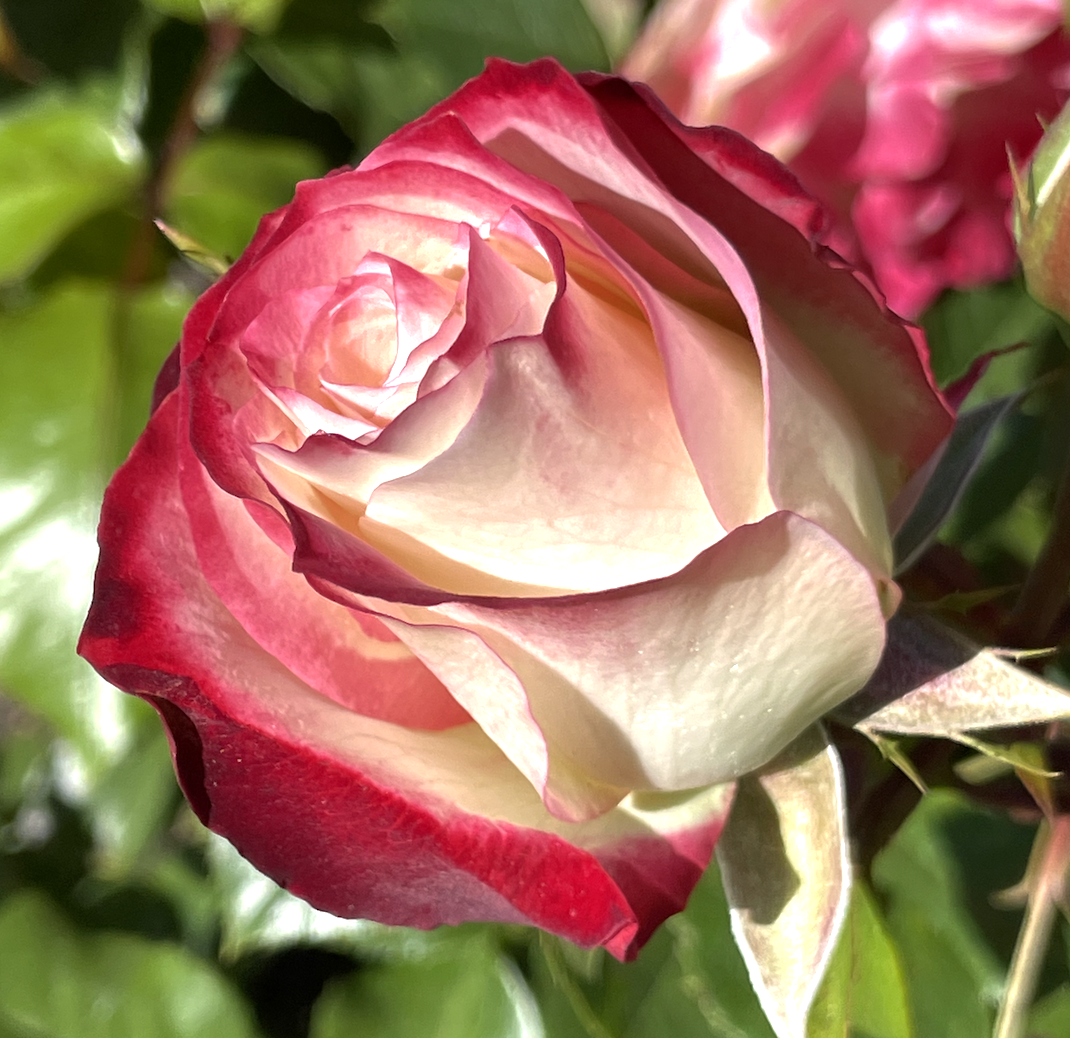
Andrea Dinneny, Lab Manager
When she’s not working at the bench, Andrea manages the lab including ordering and receiving and has made sure we have not run out of supplies despite the chaos the pandemic has had on the global supply chain. If we have pipette tips in the lab, thank Andrea!
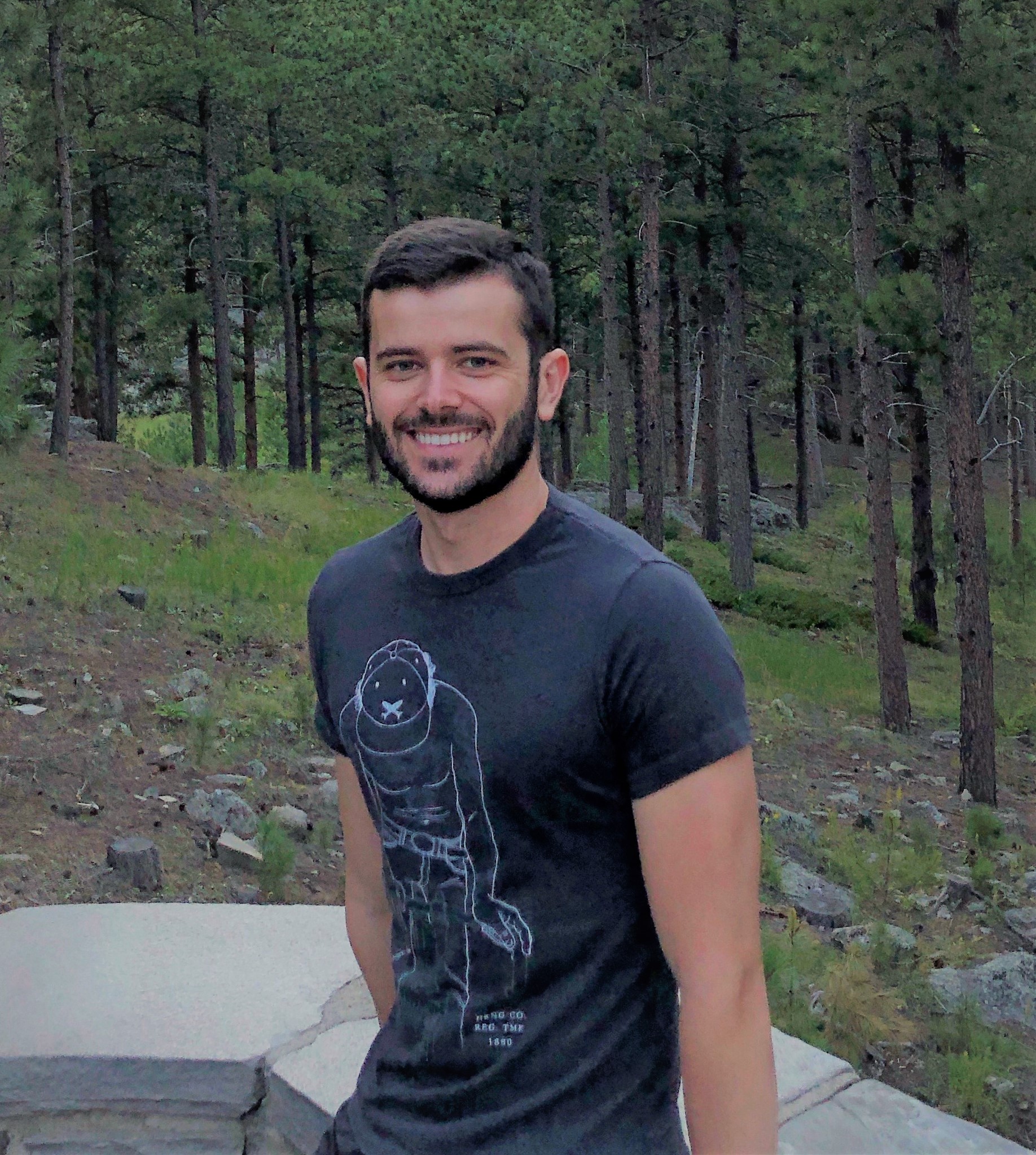
Willian Viana, Stanford Biology PhD Student
Will is originally from Içara, a small town in southern Brazil and went to undergrad at the Federal University of Santa Catarina. Many moons ago, will completed a summer internship at the Carnegie Institution for Science in the Dinneny Lab, and enjoyed it so much that he applied for graduate school at Stanford (his words not mine)–Go us! Now a full member of the lab, Will is interested in understanding the mechanisms by which grasses regulate crown root development using Setaria as a model system.
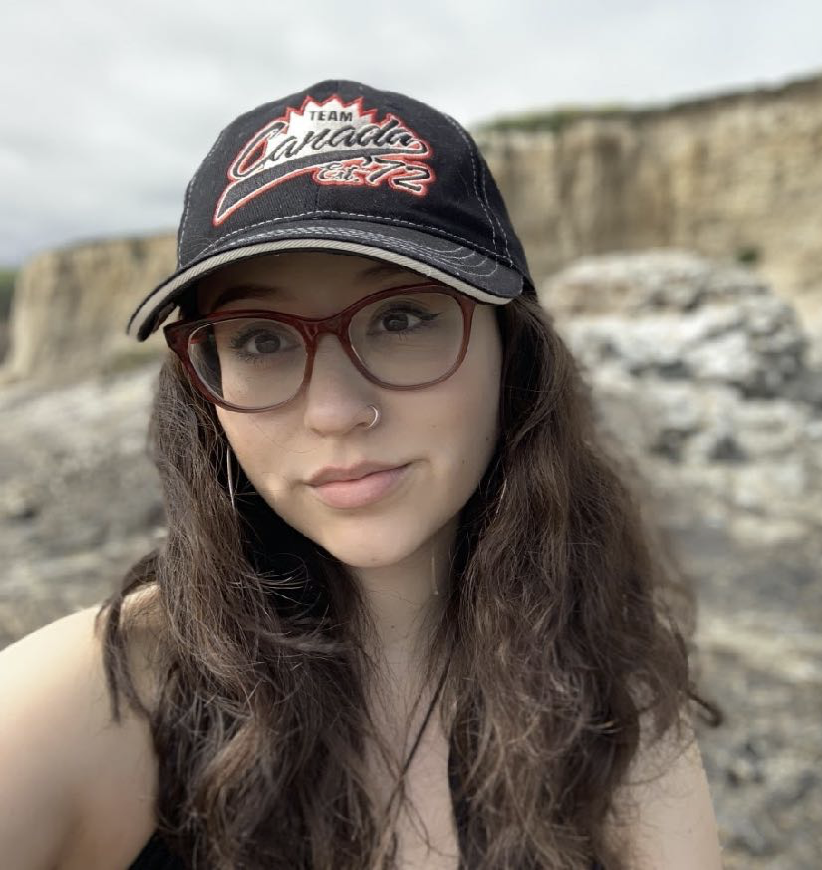
Andrea Ramirez, Stanford Biology PhD Student
Andrea also grew up in Southern California in the town of Inglewood, home to Randy’s Donuts, though her favorite donut shop is still Yum Yum donuts. She moved north to earn her undergraduate degree at UC Santa Cruz and further north to do her PhD at Stanford. Andrea is now building a root anatomical atlas of diverse species in the Brassicaceae family to understand how innovation in tissue functions help plants survive under stressful conditions.
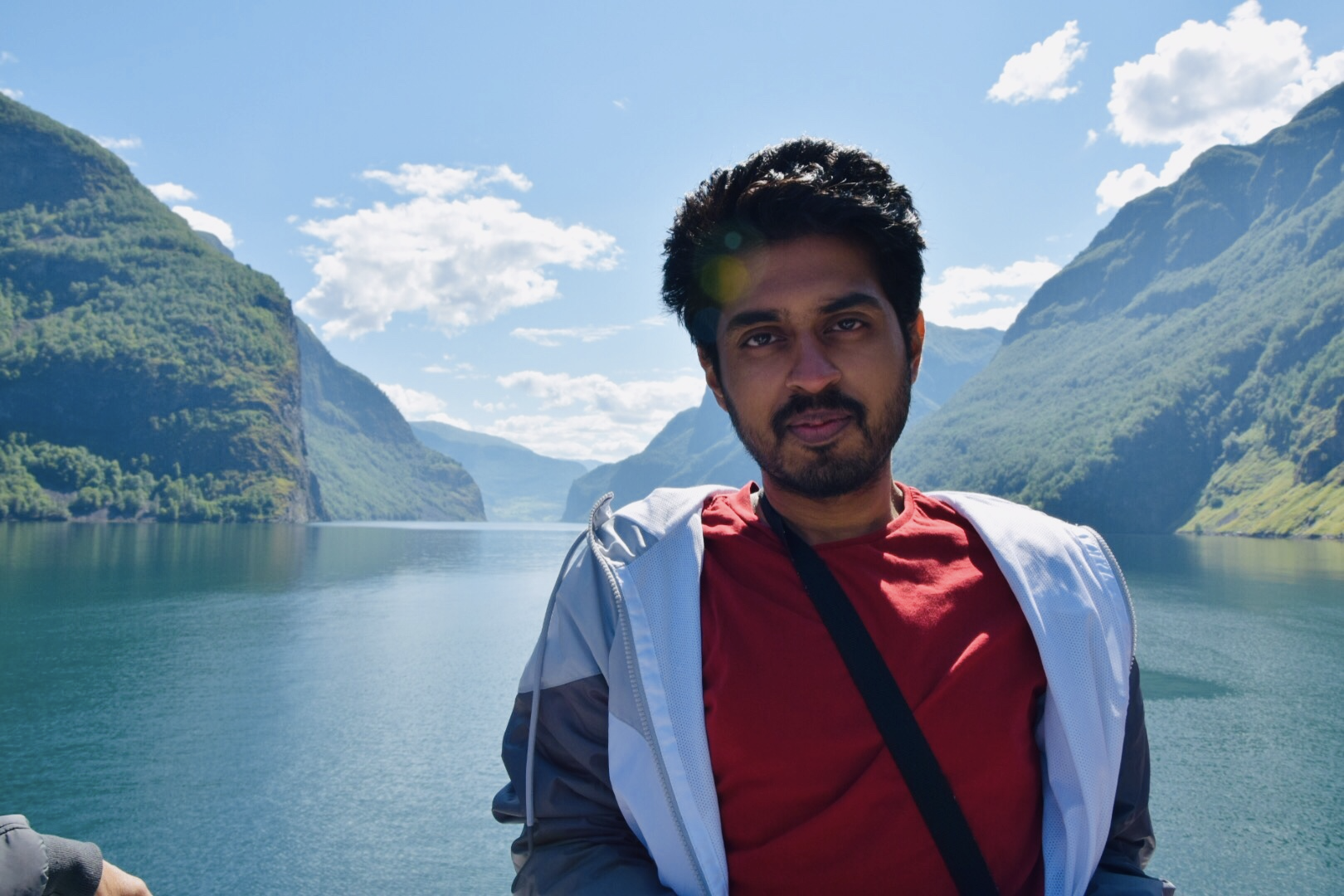
Prashanth Ramachandran, Post-doc
Prashanth grew up in Chennai, India and then moved to Sweden to do his PhD studying the role of the stress hormone ABA in regulating the patterning of xylem in roots. Clearly preferring a more equatorial latitude, he joined our group to explore how species differ in their ABA-regulated gene networks and how this divergence affects root growth. Surprisingly, how ABA affects growth is markedly different between species, which highlights this signaling pathway as an important place to focus efforts on understanding how plants are able to grow in different environmental contexts.
Hector Torres-Martinez, Post-doc
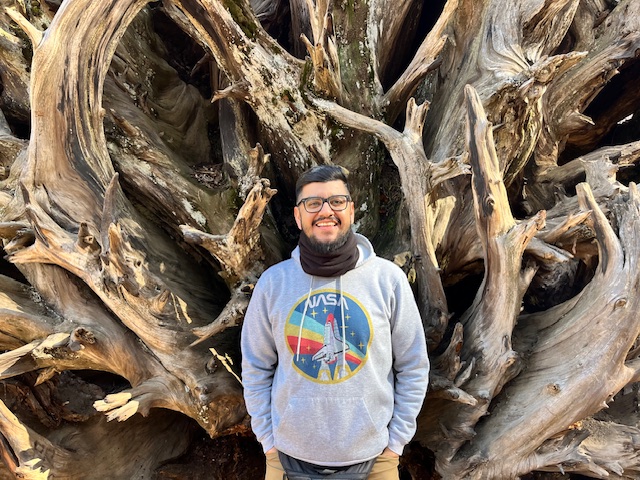
Hector comes to our lab from the the Institute of Biotechnology UNAM in Cuernavaca where he worked with Joseph Dubrovsky to define the patterning mechanisms that recruit stem cells for the formation of lateral root branches in Arabidopsis. Seeing the need for a better understanding of how grasses pattern the branches of their root system and the opportunity to use such knowledge to improve crop water use efficiency. Hector originally comes from Oaxaca, one of the food capitals of the world and delights the lab with mole and sweets when we’re lucky!
Guannan Wang, Post-doc
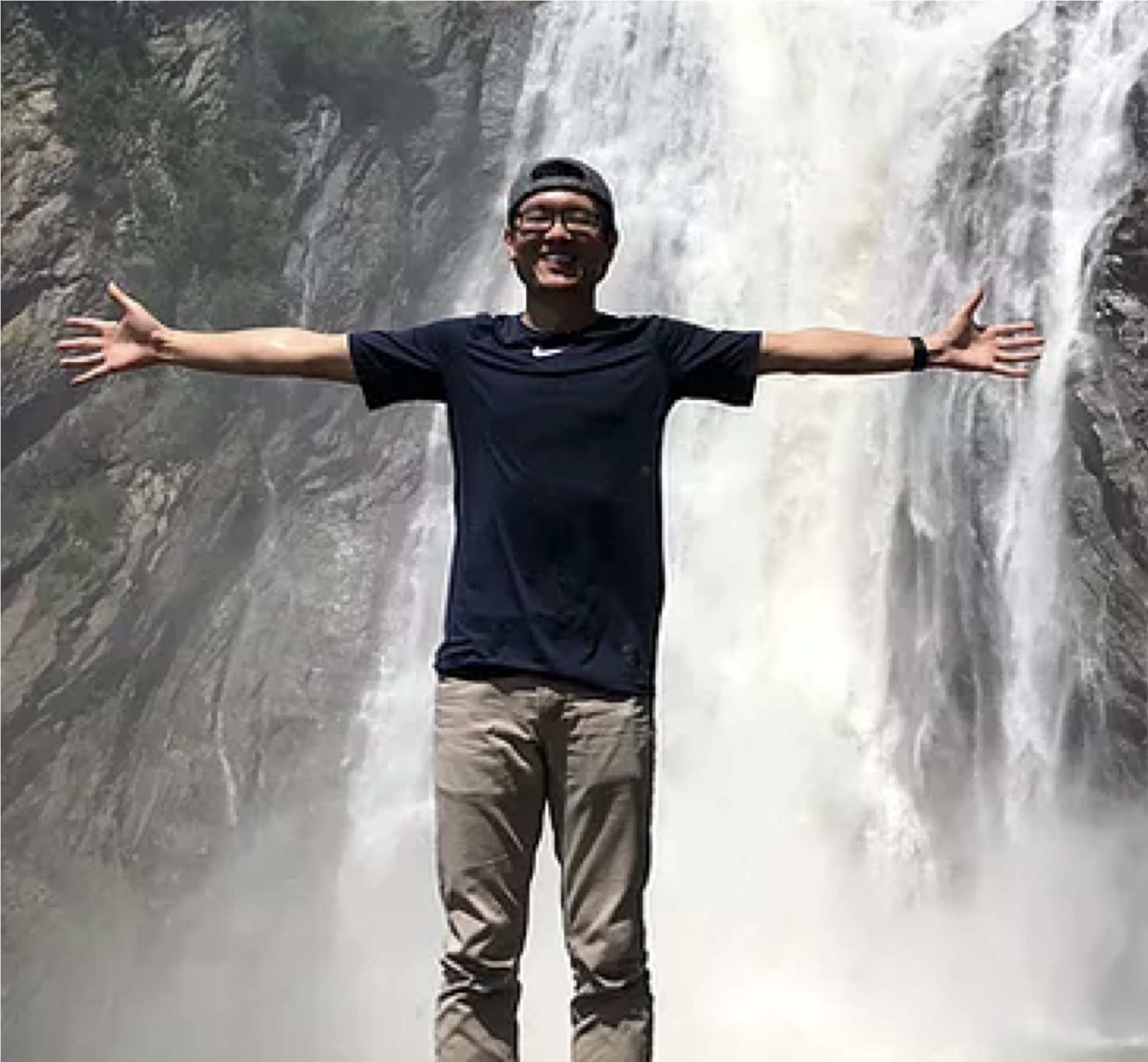
Guannan has been studying how plants diversify their stress tolerance mechanisms since his PhD where he worked with Maheshi Dassanayake LSU to utilize a multi-omic approach to characterize variation in boron toxicity and salt tolerance across members of the Brassicaceae family. Now in the Dinneny lab he is completing the bioinformatic analysis of a pioneering new scRNAseq data sets examining salt and ABA response across 5 Brassicaceae species together with a DAP-seq characterization of 10 species to develop a comparative gene regulatory network for the ABA signaling pathway. Just like his hero Kobe Bryant, he’s hoping to break a few high scoring records with the number of species he’s working on.
Sebastian “Seba” Toro Arana, Stanford Biology PhD Student, James and Nancy Kelso Fellow of the Stanford Interdisciplinary Graduate Fellowship
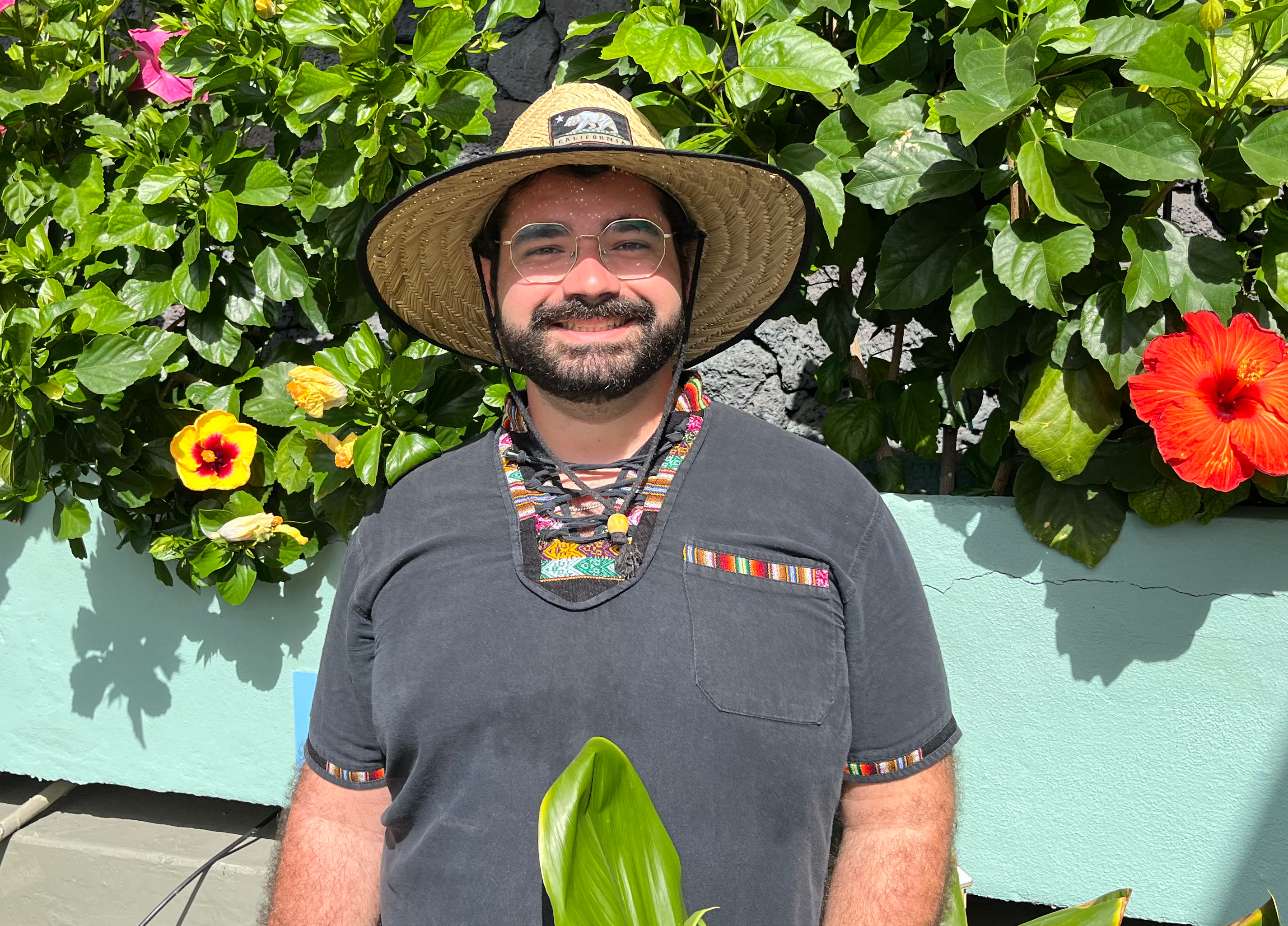
Seba has made multiple leaps in his career, from the tropic island of Puerto Rico to the cold climate of MIT where he studied Neuroscience, to Stanford where he has taken up the use of synthetic biology to test the transferability of using our tissue-specific buffer gates to engineer root architecture in oil seed crops, Camelina sativa and Pennycress. When not tuning gene circuits he likes to tune his guitar and play in a band.
Will Dwyer, Stanford Biology PhD Student, Knight-Hennessey Scholar
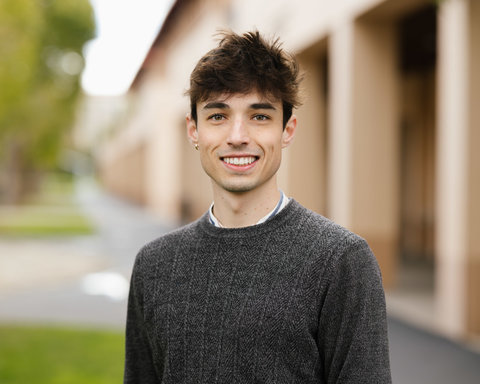
Will is a native French speaker but is currently learning to speak the language of water as they develop a research project to understand the mechanisms plant cells use to monitor their water status. Using a wide array of approaches including Cryo-ET, Will hopes to understand how the perception of water availability helps roots do cool things like pattern their tissues to optimize water uptake and minimize water loss.
Heather Phillips, Post-doc
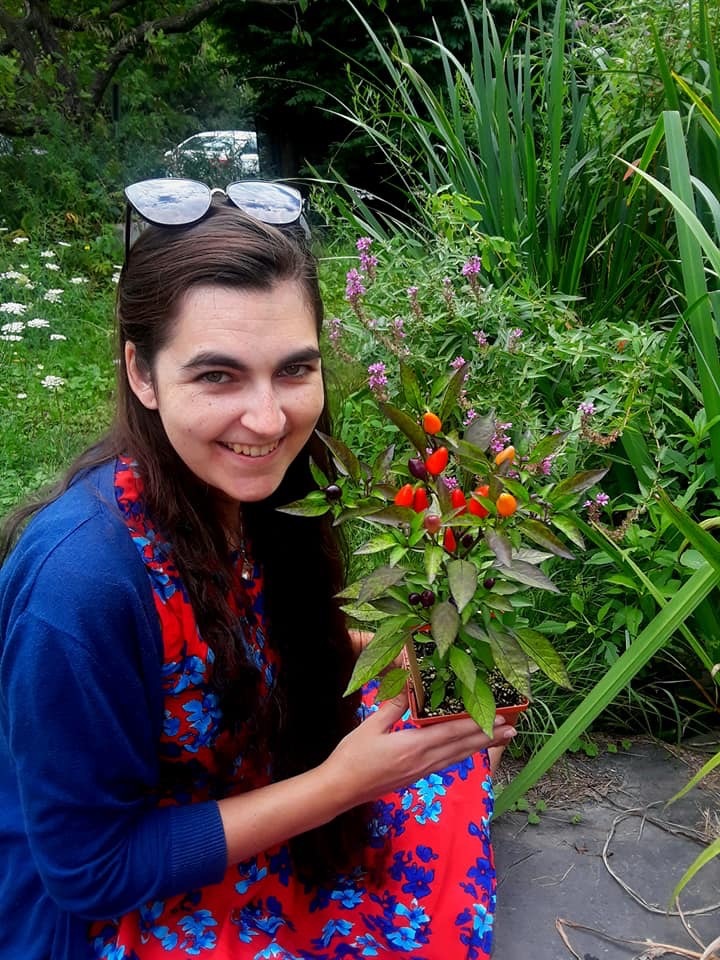
Heather is a native of Northern California and developed a love of plant biodiversity from her exploration of the gorgeous natural surroundings. From gorgeous to gorges, Heather did her PhD at Cornell University where she studied with Chelsea Specht’s group and defined the unique developmental steps ginger flowers go through to establish their unique and complex structure. Seeing the value of non-model plants, Heather is establishing the ROLE-ModelS (Root Optimized Living Examples-Model Systems), which is a curated collection of plant model systems from across the flowering plant lineage, which will facilitate the exploration of root biology beyond the Brassicacae, Poaceae and Solanaceae families.
Elif Gediz Kocaoglan, Post-doc
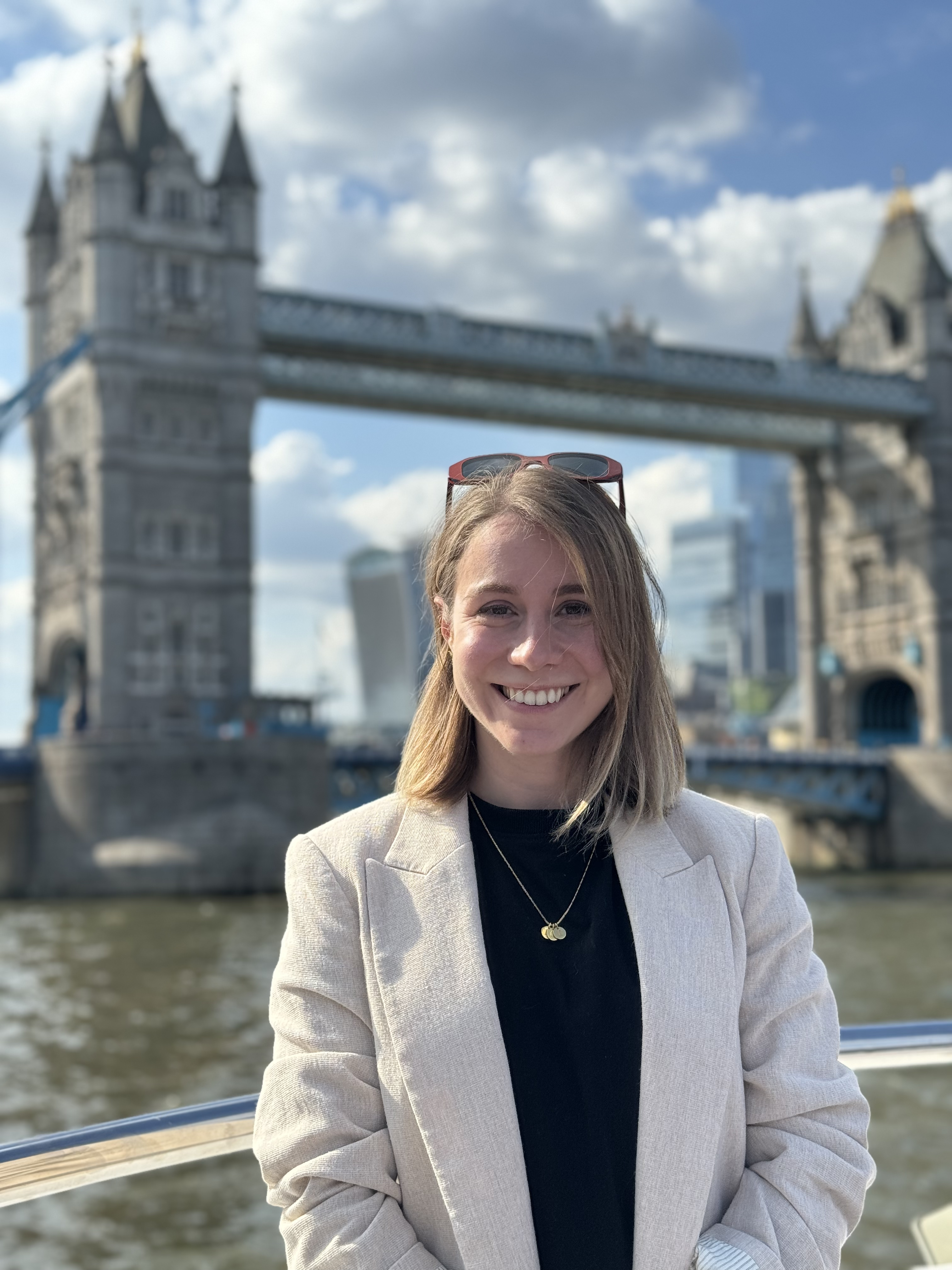
Gediz is a synthetic biologist trained in the lab of Naomi Nayakama at the Imperial College London where she used protoplasts as a model system to understand the design rules for transgene expression in plants. Seeing value in multicellularity, she joined our group and is using biodiversity in the Brassicaceae family to uncover the various functions that hair and non-hair cells play in the root systems of plants adapted to vastly different ecological conditions. Through synthetic biology, she hopes to harness this understanding to tune the function of this vital interface with the outside world. When not running gels, she runs marathons and enjoys the outdoors with her four-legged friend.
Livia Wyss, Post-doc
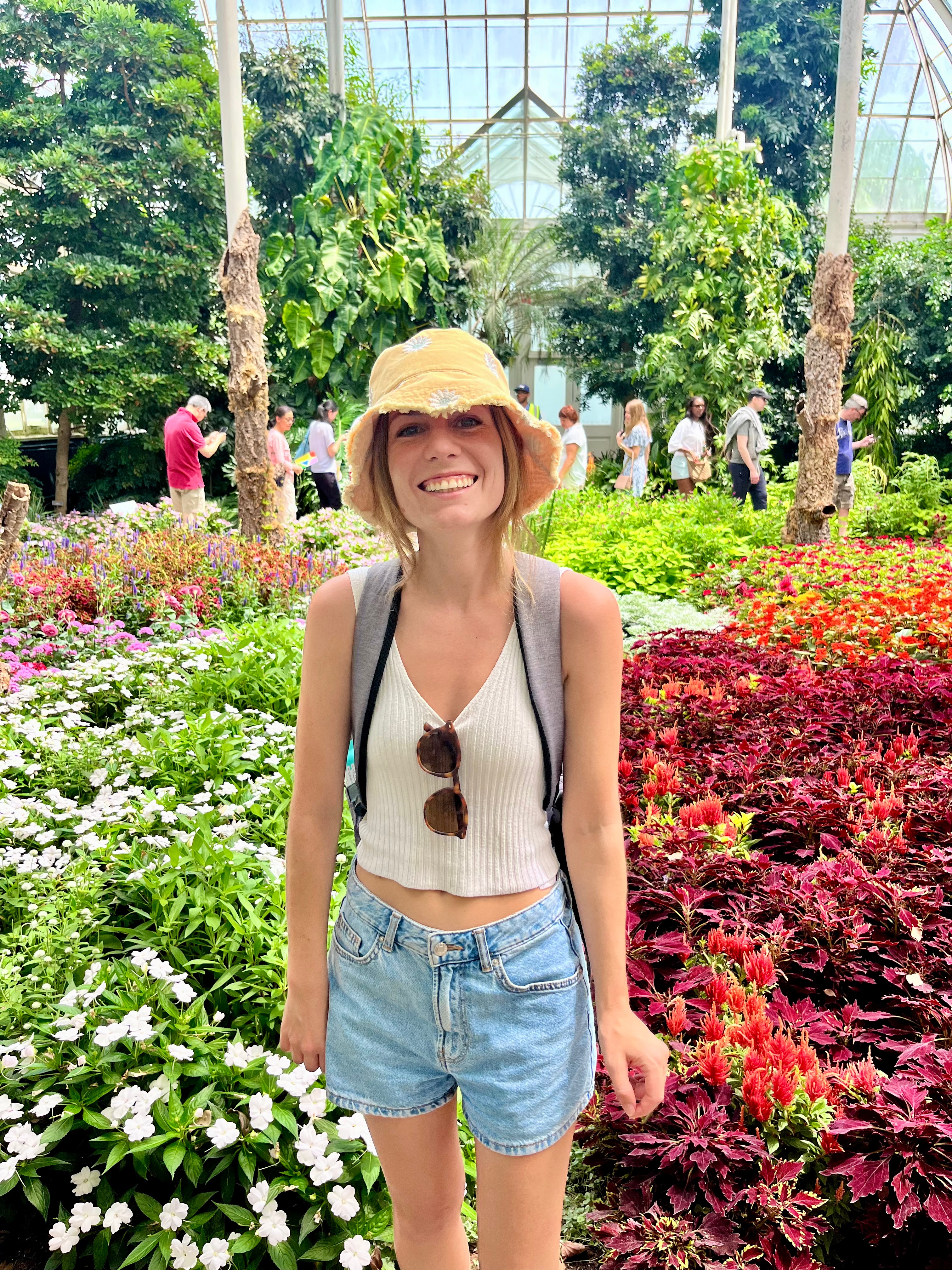
Livia’s journey to the lab has involved long and short journeys. Livia’s PhD was earned from the Stanford Biology department working with Bo Wang in Bioengineeering where she used custom engineered growth environments and live animal tracking to study the properties of the planarian (flatworm) nervous system. Seeing tremendous value in researching plants for environmental sustainability, Livia is interested in understanding how plant root systems make decisions and is developing tools to track metabolic activity and transport. Along the way she may be able to test Darwin’s assertion that “the tip of the radicle thus endowed, and having the power of directing the movements of the adjoining parts, acts like the brain of one of the lower animals.”
John Felix, Stanford co-term student, Bioengineering
Sonia Valente, technician
Orion Singha, Stanford undergraduate student
John Eden-Sung, Stanford undergraduate student
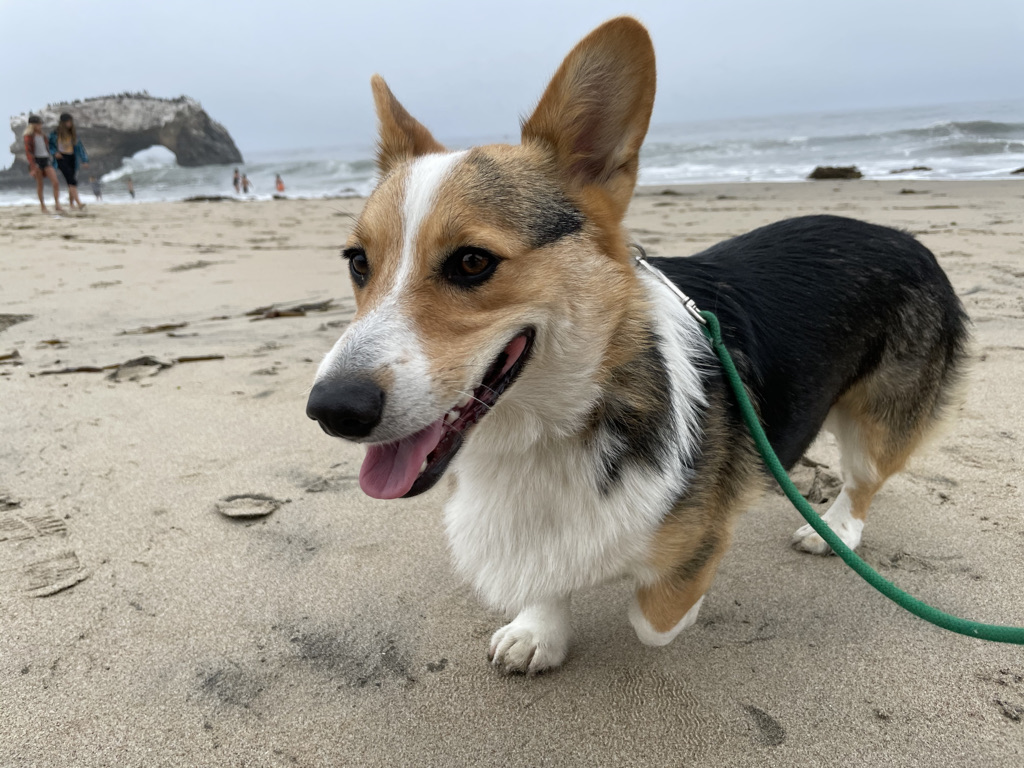
Ziggy Rocco Dinneny, lab mascot and friend to all
Ziggy is a Corgi with a big personality and fondness for human companionship. When he is not playing with the Dinneny family at home he enjoys coming to lab BBQs and sneaking a bone from unsuspecting children. Due to the lack of opposable thumbs, his pipetting skills are lacking but he does enjoy digging below ground to see what is hidden behind the veil of soil.
 Dinneny lab
One thought on “Lab Members”